A fine dining room invites diners to linger over three unhurried hours; a great noodle house operates on a far tighter clock. Fresh noodles have a brief golden window—perhaps four to six minutes after leaving the boiling basket—when surface starch, core elasticity, and broth temperature sit in exact harmony. Everything about the contemporary noodle house, from U-shaped timber counters to glass-fronted dough ateliers, exists to protect those four minutes.
Why Focused Menus Signal Serious Craft
Step into a contemporary independent noodle shop in Tokyo, London, Berlin, or Portland and notice how brief the printed card looks. Four or five bowls—perhaps one clear soup, one richer broth, one dry-tossed oil noodle, and a seasonal cold special—allow a small kitchen team to mill, hydrate, age, and cut every strand in-house rather than buying factory-extruded packs. A tight menu also eliminates stock fatigue: pots are emptied and rebuilt daily rather than topped up indefinitely with water.
Many modern houses post their daily flour blend on a chalk slate beside the pass, much like specialty coffee roasters list harvest regions. Seeing "stone-ground Bavarian rye 15% + high-protein winter wheat 85%" or "Nagano buckwheat, freshly milled" signals that the noodle itself is the central ingredient—not a passive filler beneath showy toppings.
The Counter as Democratic Theatre
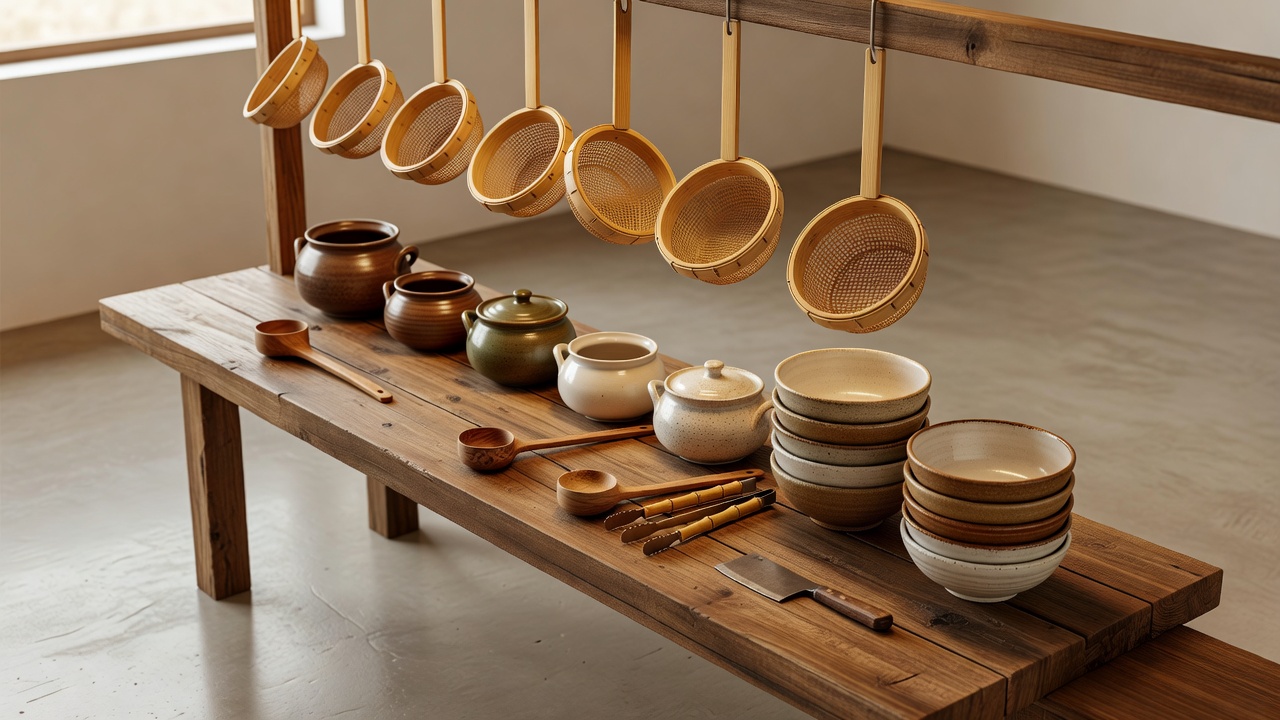
Counter seating solves both physics and hospitality. Perched an arm's length from the boiler, solo diners never feel sidelined at an awkward two-top near the doorway. You watch the cook flick a bamboo or wire strainer sharply downward—shaking loose stray cooking water that would otherwise dilute the tare—then fold the gleaming ribbons into a single neat crest using long cooking chopsticks so the garnish rests cleanly above the waterline.
That direct handoff also trims sixty crucial seconds off delivery time compared with a distant back-of-house kitchen. In a crowded room, the gentle clatter of stoneware bowls, the hiss of hot oil hitting chopped scallions, and the polite, brisk slurp that cools hot strands mid-air create an unmistakable acoustic warmth.
How Contemporary Kitchens Reinterpret Without Erasing
The most thoughtful modern noodle houses walk a respectful line between regional heritage and local agriculture. Rather than lumping distinct Asian and European techniques into an unnamed "fusion" bowl, chefs increasingly explain their lineages plainly. A kitchen in Northern Europe might make hand-cut wheat noodles using the alkaline salt logic of Kyushu ramen, paired with a clear broth built from smoked local trout bones, dried kelp, and seasonal wild leeks—explicitly crediting the Japanese shio framework while letting regional produce speak honestly.
Similarly, modern Lanzhou- and Xi'an-inspired dining rooms in international cities now highlight the differences between northern wheat-pulling craft and Sichuan chili-oil traditions on separate sections of the menu, helping guests learn the vocabulary of regional Chinese cooking rather than flattening it.
Counter Checklist
Five quiet signs of a careful noodle house
- Pre-warmed heavy bowls: Stoneware stacked near steam vents keeps broth temperature steady from first sip to last.
- Clean, rolling boiler water: Murky, overly starchy pot water leaves fresh strands tasting chalky; serious shops refresh water constantly.
- Visible resting trays: Wooden boxes or dusted racks of cut noodles indicate proper cold-ageing—typically 12 to 24 hours for alkaline styles.
- Table condiments with restraint: One house-made chili crisp, black vinegar, or freshly ground white pepper tells you the kitchen trusts its own seasoning balance.
- Seasonal format shifts: Cold dipping bowls in July and simmered, thicker hand-cut strands in January reflect a kitchen cooking in step with the weather.
Why Takeaway Rarely Tells the Full Story
Delivery containers test every weakness of fresh noodles. Sealed inside steamy paper cartons, starch swells and gluten relaxes before a bicycle courier reaches the corner. Where modern noodle houses offer takeaway well, they pack raw fresh noodles with a two-minute home boiling card alongside a sealed jar of chilled broth and tare—bringing the counter's ninety-second discipline straight to the reader's stove.
Reader Questions
Still curious about flour swaps or noodle storage?
Browse our nine practical counter questions covering starch dusting, baking soda alkali, and drying racks.
Read the FAQ →Write to Us
Know a remarkable independent noodle bar?
Compose a plain-text tip or kitchen note for our editors using our recipe-card correspondence tool.
Send a kitchen-side note →